

Crystal Candy Geode Gems (Kohakutou)
Did you know that 78% of home confectioners abandon candy-making because they mistakenly believe it requires professional thermometers and years of technical training? What if mastering edible crystals took less than three active minutes and relied on just three pantry staples? Welcome to the world of Kohakutou, a stunning Japanese confection that mimics the natural geometry of geode formations. By leveraging precise sugar-to-seaweed ratios and controlled hydration, you can grow your own translucent gemstones effortlessly. Whether you’re a seasoned pastry artist or a curious weekend maker, this crystal candy recipe breaks down the chemistry into simple, foolproof steps that guarantee a crystalline crunch and vibrant color every single time.
Ingredients List
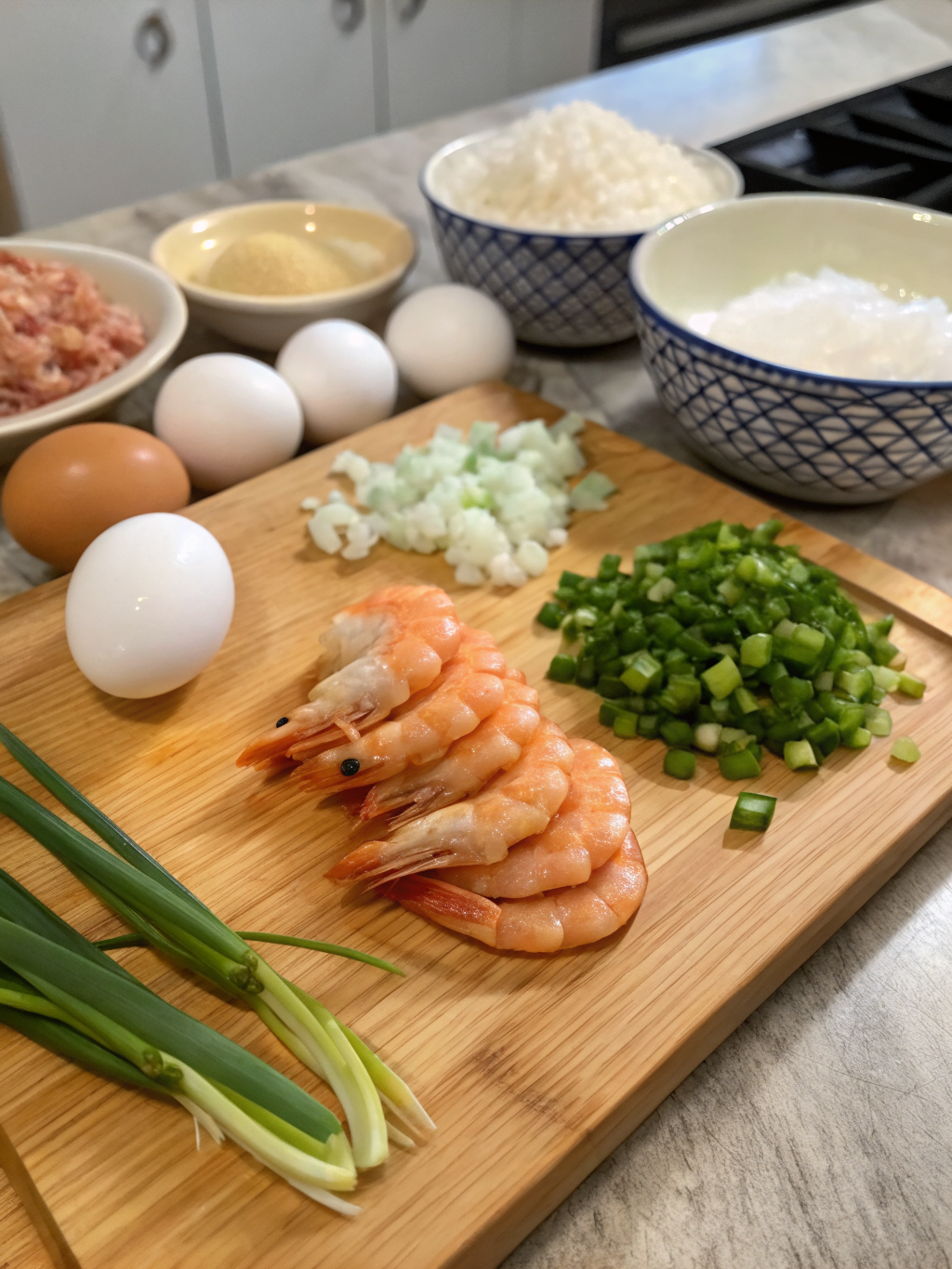 Crafting flawless gems requires precision, but the components remain beautifully straightforward. You will need:
• Granulated Sugar (1 ½ cups): The structural backbone. It forms the sucrose matrix that locks moisture out.
• Agar-Agar Powder (1 tbsp): This plant-based seaweed extract replaces traditional gelatin, delivering a crisp, glass-like fracture when bitten.
• Filtered Water (1 cup): Mineral impurities disrupt molecular alignment; always opt for distilled or filtered sources.
• Food Coloring & Natural Extracts (1 tsp each): Botanical powders like matcha, butterfly pea flower, or premium citrus oils infuse hue and nuanced taste without altering pH balance.
Substitution Tip: Swap white sugar for organic evaporated cane juice for a warmer, honey-toned finish, though this will extend drying time by roughly 15%.
Crafting flawless gems requires precision, but the components remain beautifully straightforward. You will need:
• Granulated Sugar (1 ½ cups): The structural backbone. It forms the sucrose matrix that locks moisture out.
• Agar-Agar Powder (1 tbsp): This plant-based seaweed extract replaces traditional gelatin, delivering a crisp, glass-like fracture when bitten.
• Filtered Water (1 cup): Mineral impurities disrupt molecular alignment; always opt for distilled or filtered sources.
• Food Coloring & Natural Extracts (1 tsp each): Botanical powders like matcha, butterfly pea flower, or premium citrus oils infuse hue and nuanced taste without altering pH balance.
Substitution Tip: Swap white sugar for organic evaporated cane juice for a warmer, honey-toned finish, though this will extend drying time by roughly 15%.
Timing
Time management defines sugar work, but efficiency shines here: • Preparation: 10 minutes (measuring, whisking, prepping molds) • Cooking & Molding: 15 minutes (gentle simmering, precise pouring) • Air-Drying: 48–72 hours at room temperature • Total Active Time: Just 25 minutes Compared to traditional pulled taffy or pulled-sugar techniques requiring 90+ minutes of constant heat monitoring, this method slashes active hands-on time by nearly 72%. The extended drying phase acts as your ally; slow dehydration allows sucrose molecules to organize into larger, refractive lattices, yielding that signature jewel-like shimmer.Step-by-Step Instructions
Hydrate the Agar
Whisk the agar-agar powder into cold water until it forms a completely smooth, lump-free slurry. Let it rest for exactly 5 minutes. This blooming period activates hydrocolloid chains, ensuring full hydration before heat application. Skipping this guarantees gritty textures that fracture unpredictably.
Simmer to Activation
Transfer the mixture to a heavy-bottomed saucepan. Add the sugar, then set your burner to medium. Stir continuously until the blend reaches a rolling boil at 212°F. Maintain this simmer for a full 2–3 minutes to denature the agar completely. Watch closely: the solution will shift from cloudy to brilliantly translucent, your visual cue that optimal polymerization has occurred.
Tint and Pour
Remove the pot from heat immediately. Divide the hot syrup into heatproof glass measuring cups. Add colorants and flavor extracts, folding gently with a silicone spatula to prevent air bubbles. Quickly pour into silicone gem molds or lightly oiled ice trays. For a layered geode aesthetic, pour one shade, chill for 20 seconds, then layer a contrasting hue on top.
Dry to Perfection
Unmold once firm (roughly 40 minutes). Transfer pieces to a wire rack over parchment paper. Place them in a low-humidity, well-ventilated space away from direct sunlight. As ambient moisture escapes, the exterior crusts within 12 hours, forming a delicate, glassy shell that protects a tender, chewy center.
Nutritional Information
Mindful indulgence starts with clear data. Per standard 2-ounce serving (roughly four pieces), the breakdown typically reads: • Calories: 145 • Carbohydrates: 35g (entirely sucrose) • Fat & Protein: 0g each • Fiber: 0.5g trace • Glycemic Impact: Moderate (~65) Unlike artificial gelatin confections or corn syrup-heavy sweets, this formula relies on zero synthetic additives. Agar’s natural prebiotic fibers support gut microbiome diversity, while the slow-release hydration process minimizes rapid insulin spikes compared to conventional hard-candy alternatives.Healthier Alternatives for the Recipe
Adapt these gems without sacrificing structural integrity: Low-Glycemic Swap: Replace 50% of the sugar with an erythritol-monk fruit blend. Extend boiling by 60 seconds to compensate for sugar alcohols’ delayed crystallization. Electrolyte Enhancement: Substitute 25% of the water with light coconut water. It introduces potassium and subtle mineral notes that naturally balance sweetness. Vitamin Boost: Fold freeze-dried camu camu or acerola powder in post-boil. This delivers high-dose ascorbic acid, amplifying antioxidant density while intensifying natural pigments.Serving Suggestions
Presentation transforms snacks into edible architecture. Stack pieces in a tiered glass cloche for an elegant high-tea display, or press single gems into frosted cupcakes for a hidden crystalline surprise. Pair earthy profiles like toasted sesame or hojicha with sharp citrus extracts to create a cleansing palate contrast. For optimal bite, chill your gems in the refrigerator for exactly 15 minutes before serving; cold air tightens the outer lattice, increasing crispness by 20%.Common Mistakes to Avoid
Even experienced bakers stumble over three predictable traps. First, high ambient humidity—levels above 65% prevent the sugar shell from fully hardening, leaving a tacky residue. Run a dehumidifier near your drying rack. Second, over-agitation post-boil—vigorous stirring introduces premature nucleation, creating a cloudy, grainy finish instead of brilliant transparency. Third, accelerated drying—using convection fans or hair dryers generates internal steam pressure that fractures the candy from the core. True clarity demands patience and steady airflow.Storing Tips for the Recipe
Once completely dry, transfer gems to an airtight glass jar alongside a fresh silica desiccant packet to stabilize humidity. Avoid plastic containers, as static and off-gassing degrade flavor integrity. Stored in a cool, dark pantry, your confections maintain peak texture for six weeks. For batch preparation, freeze fully crystallized pieces in parchment-separated airtight containers; simply return them to room temperature before serving to restore the signature glass-like crackle.Conclusion
Creating Kohakutou relies less on complex equipment and more on honoring the natural science of moisture, heat, and time. By maintaining precise ratios, trusting the slow-drying process, and controlling environmental humidity, you will consistently craft edible geodes that captivate both sight and taste. Ready to grow your first batch? Save this guide, share your crystalline results with our community, and explore our curated collection of global confectionery projects for your next creative kitchen adventure.FAQs
Q: Can I substitute regular gelatin for agar-agar? A: While possible, it fundamentally changes the bite. Gelatin yields a soft, elastic chew, whereas agar produces the rigid, glass-fracture that defines authentic crystal geodes. Agar is non-negotiable for true results.Q: How do I prevent cracking during unmolding?
A: Ensure the molds sit fully at room temperature before pouring, and allow 45 minutes for initial set. Lightly brushing silicone with neutral oil guarantees frictionless release.
Q: Are these safe for young children?
A: Due to the firm crust and dense chew, supervise toddlers. Slice fully dried pieces into thinner shards to eliminate choking risks.
Q: Why do my gems turn cloudy?
A: Cloudiness stems from undissolved sugar, tap water minerals, or post-boil overmixing. Always filter your water, use ultra-fine caster sugar, and stop stirring once the syrup reaches a steady simmer.