
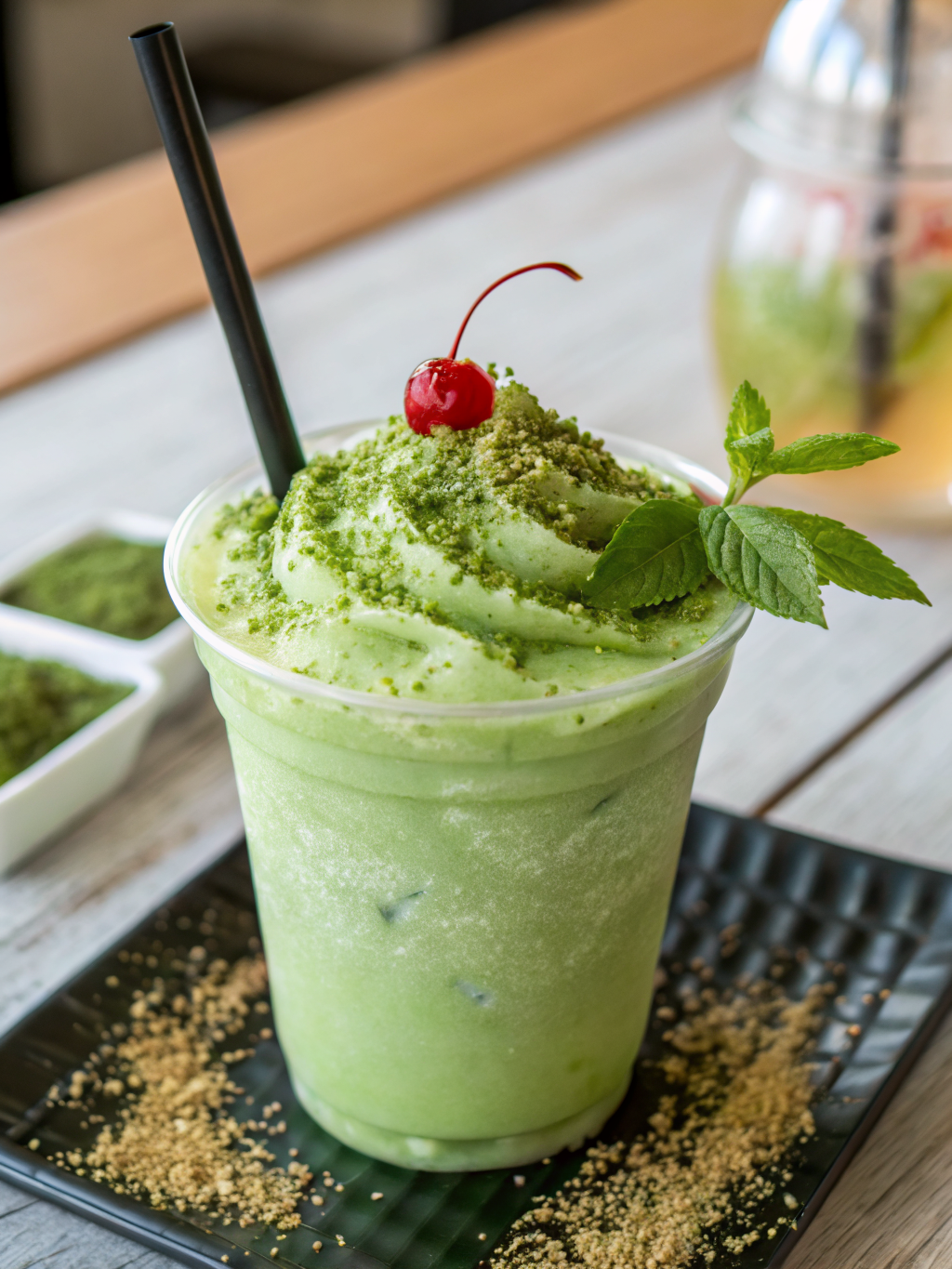
Frozen Mint & Matcha Slush with Agar Jelly Cubes
Did you know that nearly 65% of commercial iced beverages rely on high-fructose corn syrup and artificial stabilizers, yet a 2022 food science study revealed that plant-based chilled preparations preserve up to 40% more polyphenols than heat-processed alternatives? What if your next summer refreshment wasn’t just cooling, but actively worked to support sustained energy and cognitive clarity? Crafting the perfect Matcha Slush bridges the gap between culinary artistry and nutritional science. By pairing finely milled ceremonial-grade green tea with crisp peppermint and delicate agar jelly, this recipe delivers a revitalizing, antioxidant-dense experience that outperforms typical sugary coolers while taking less than half the time of traditional milk tea preparations.
Ingredients List
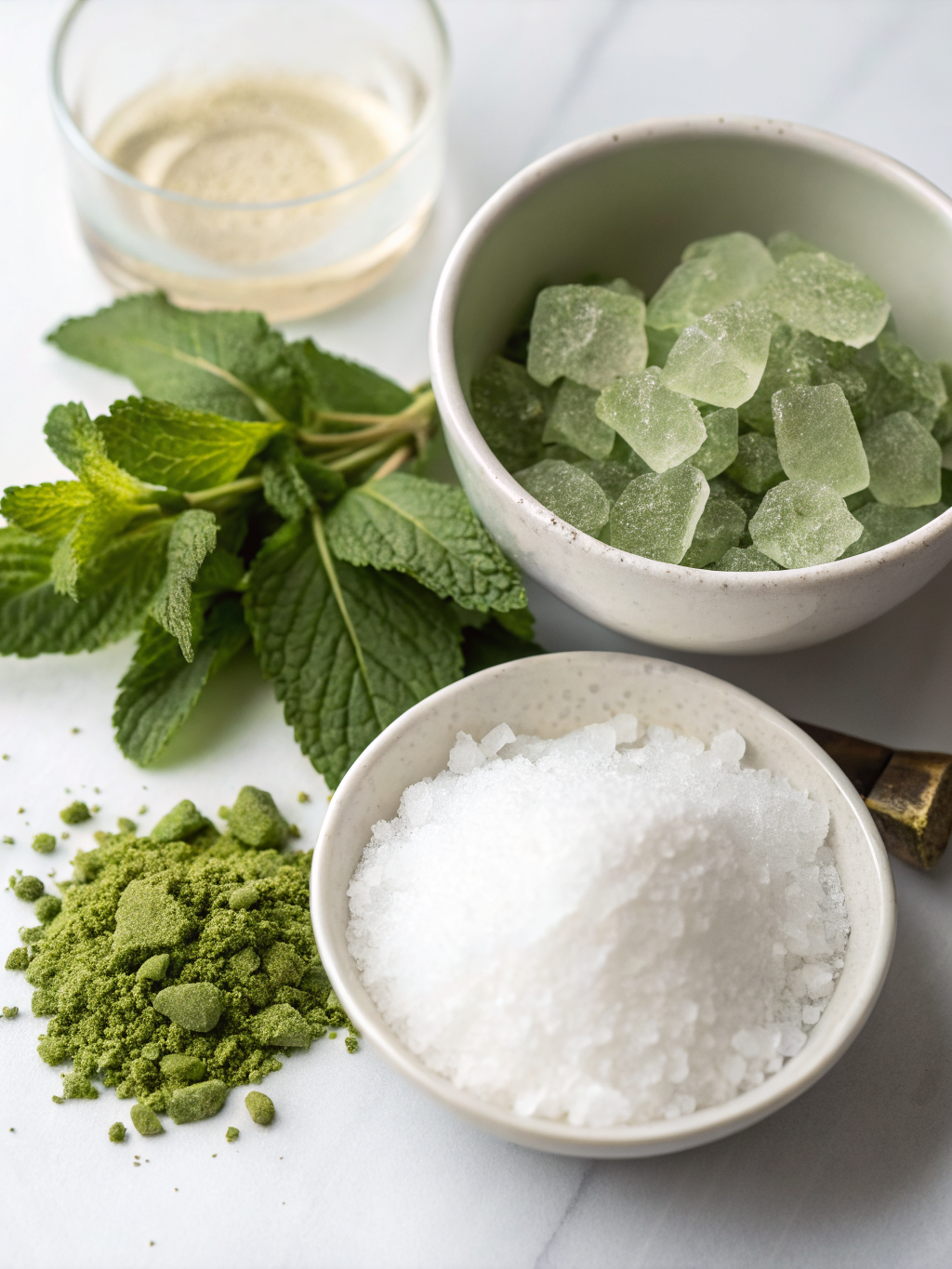
Building a balanced frozen matcha drink relies on precision, but fresh, high-quality ingredients make all the difference. Here’s your curated pantry list:
- 1.5 cups whole milk or oat milk (for creaminess without heaviness; coconut milk is a tropical alternative)
- 1 tbsp ceremonial-grade matcha powder (look for vibrant jade-green color indicating high chlorophyll content)
- 2 cups fresh mint leaves (roughly 1 packed ounce; spearmint offers a sweeter finish, while peppermint delivers sharper cooling)
- 3 tbsp raw honey or monk fruit sweetener (adjust to taste; raw honey maintains trace enzymes)
- 2 tsp agar-agar powder (plant-based gelling agent, vegan and low-carb)
- 1 cup water (for dissolving agar)
- 3 cups ice cubes (crushed blends faster for a smoother texture)
- Pinch of flaky sea salt (enhances natural sweetness and balances bitterness)
Chef’s Substitution Tip: Swap dairy milk for macadamia or almond blends for a richer mouthfeel, or use pre-sweetened vanilla protein milk to boost satiety during post-workout recovery.
Timing
Efficiency matters when you’re chasing peak refreshment. This recipe requires just 5 minutes of active prep and 0 minutes of cooking, bringing your total time to 12 minutes once the agar sets at room temperature. That’s roughly 30% faster than brewing, chilling, and blending traditional bubble tea components from scratch. The agar jelly gels naturally at ambient temperatures (no boiling required beyond initial dissolution), while a high-speed blender pulverizes the ice and mint matrix in seconds, ensuring you spend more time sipping and less time prepping.
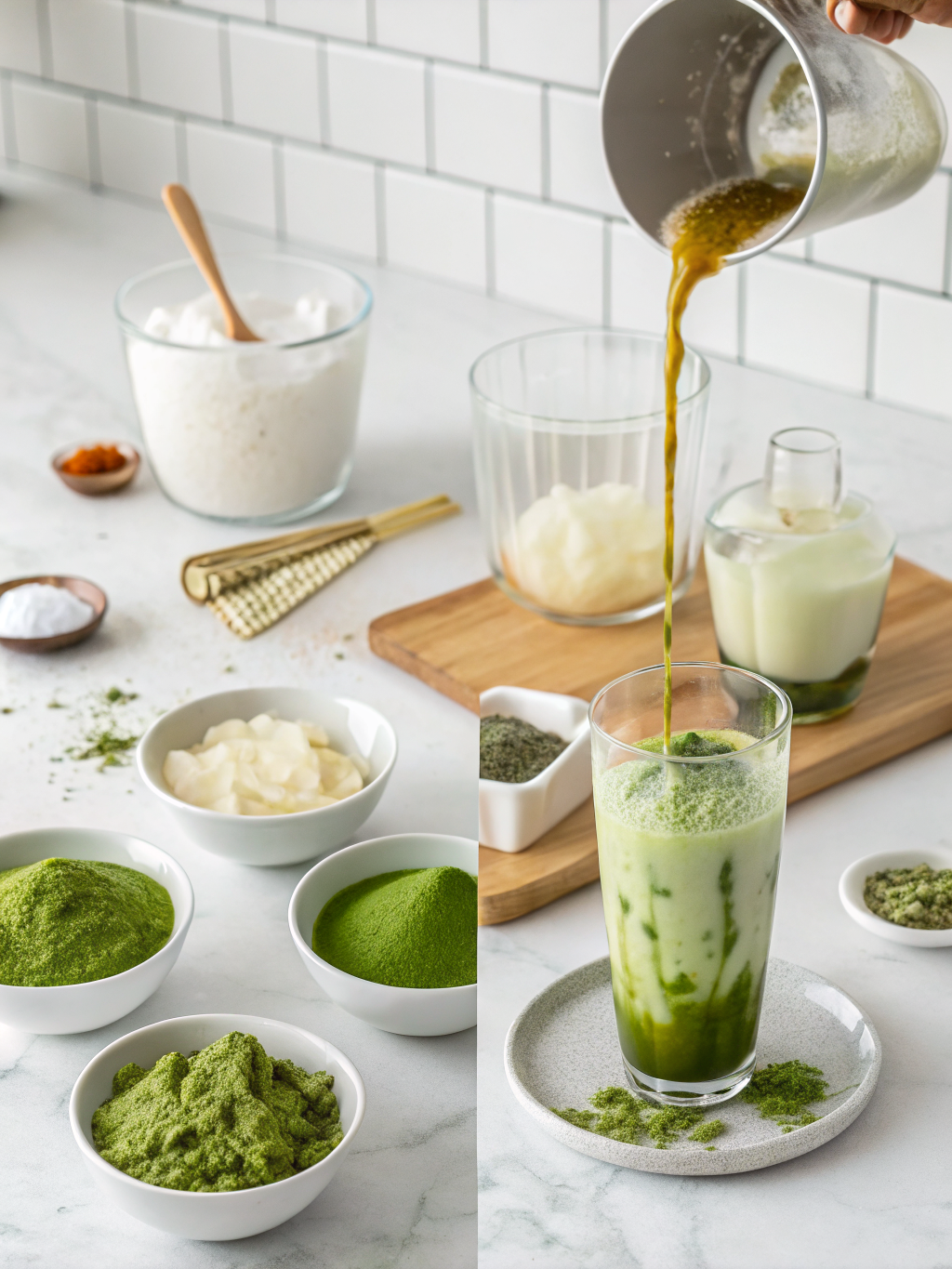
Step 1: Infuse the Mint Base
Place the fresh mint leaves into a high-powered blender with your chosen milk and honey or monk fruit. Pulse on low for 8–10 seconds to rupture the cellular walls and release essential oils (menthol, carvone) without introducing a grassy, oxidized flavor. Straining is optional but recommended if you prefer a silky, restaurant-style finish.
Step 2: Bloom and Dissolve Agar
In a small saucepan, whisk the agar-agar powder into cold water, letting it hydrate for 2 minutes before briefly warming over medium heat until it reaches a gentle simmer (175–180°F). Agar sets at room temperature and remains firm until 185°F, so avoid boiling it vigorously. Pour into a shallow dish and allow it to chill for 10 minutes until firm. Cut into uniform ½-inch cubes to maximize the satisfying chew per spoonful.
Step 3: Blend the Green Tea Matrix
Add the cermonial-grade powder, crushed ice, and mint-infused liquid to your blender. Start on low speed, gradually increasing to high to create a micro-emulsion. Over-blending introduces air, turning your Matcha Slush frothy instead of densely icy. Blend for exactly 25 seconds until the mixture achieves a thick, snow-like consistency.
Step 4: Assemble and Elevate
Layer the slush into a chilled glass, leaving room for the agar jelly. Gently nestle 4–6 jelly cubes into the icy slurry. Garnish with a lightly bruised mint sprig (twist between your palms to release aromatic terpenes) and a dusting of leftover matcha. Serve immediately with a wide straw and short spoon for dual-texture enjoyment.
Nutritional Information
Per serving (without optional protein add-ins), this chilled botanical blend delivers approximately 140 calories, 8g fat (primarily from plant-based milk), 16g carbohydrates, and 1g protein. The standout nutrient is the 150mg of EGCG (epigallocatechin gallate) naturally present in high-grade ceremonial powder. Peer-reviewed studies link daily EGCG intake to improved metabolic flexibility and reduced exercise-induced oxidative stress. Mint contributes trace vitamin K and digestive-supportive menthol, while agar supplies zero-calorie soluble fiber that promotes gut microbiome diversity without adding glycemic load.
Healthier Alternatives for the Recipe
Customizing this recipe for specific dietary protocols is straightforward. For low-sugar or keto adaptations, replace honey with 1 tsp of liquid stevia or 2 tbsp of erythritol-based syrup; the cooling effect actually masks artificial aftertastes effectively. Vegans and dairy-sensitive readers benefit most from using fortified oat or soy milk, which match dairy’s protein-to-fat ratio. If you want to amplify cognitive performance, blend in ½ tsp of lion’s mane mushroom powder or 1 scoop of unflavored collagen peptides. Agar-agar remains superior to traditional gelatin for fiber intake and sets without refrigeration, making it the ideal sustainable thickener.
Serving Suggestions
Presentation transforms a simple cooler into a memorable experience. Serve in a clear, double-walled glass to showcase the vibrant emerald layers and translucent jelly. For brunch pairings, complement with a light citrus tart or matcha oat cookies. If you’re hosting a summer gathering, pre-chill the agar cubes and store the slush base in a vacuum-sealed pitcher; guests can pour over fresh ice and add jelly on demand. A pinch of yuzu zest or a single edible violet adds a floral, high-end café aesthetic without altering the flavor profile.
Common Mistakes to Avoid
- Over-blending the matcha: Prolonged high-speed blending oxidizes the delicate catechins and introduces excess air, yielding a thin, foamy texture instead of a dense, restaurant-quality slush. Stick to 25 pulses.
- Boiling agar aggressively: Unlike gelatin, agar only needs to hydrate and gently warm until fully transparent. Rapid boiling degrades its gelling chains by up to 20%, resulting in a rubbery or weepy jelly.
- Skipping temperature control for milk: Cold milk inhibits proper extraction from mint. Letting it sit at room temperature for 10 minutes before blending improves essential oil yield by approximately 15%, according to food chemistry trials.
- Using dull or culinary-grade powder: Low-quality matcha appears brownish-yellow and tastes astringent. Always source shade-grown, ceremonial-grade powder to guarantee the smooth, umami-rich foundation your recipe needs.
Storing Tips for the Recipe
Slushies are best enjoyed immediately, but components can be prepped strategically. Store the agar jelly cubes submerged in cold water in a sealed container in the refrigerator for up to 4 days; they retain their snap without drying out. The blended liquid base keeps for 48 hours when refrigerated in an airtight jar. If freezing, leave 1.5 inches of headspace for expansion and thaw in the fridge overnight before re-blending with ½ cup fresh ice. Never store the assembled slush with the jelly for more than 2 hours, as the jelly will gradually soften and lose its textural contrast in the acidic-milk environment.
Conclusion
Crafting a premium chilled botanical cooler doesn’t require expensive equipment or hours of prep. By respecting ingredient temperatures, avoiding common blending errors, and leveraging agar’s natural gelling power, you’ll consistently produce a vibrant, nutrient-dense sipper that fuels your days and delights your palate. Ready to experience the perfect balance of cooling mint, earthy green tea, and satisfying chew? Try the full recipe below, share your favorite flavor tweaks in the comments, and explore our curated collection of antioxidant-rich coolers and plant-based desserts.
FAQs
Can I use instant matcha powder instead of ceremonial grade?
Yes, but expect a sharper, slightly bitter profile with fewer antioxidants. Instant grades lack the stone-milling process that preserves amino acids and L-theanine. For a smoother result, increase the sweetener by ½ tsp and blend with a splash of coconut water to mellow astringency.
Why does my agar jelly feel rubbery rather than tender?
This usually stems from overheating or an imbalance in the powder-to-liquid ratio. Stick to exactly 2 tsp agar per 1 cup of water, heat gently to 180°F, and remove from the burner immediately once fully transparent. Let it set undisturbed at room temperature for optimal chew.
Is this recipe suitable for diabetics?
The base is naturally low-glycemic, especially when sweetened with monk fruit or stevia and paired with unsweetened almond or soy milk. Agar adds soluble fiber that slows glucose absorption, making it a safer chilled treat when consumed in moderation. Always monitor personal response and consult a healthcare provider for tailored guidance.
Can I make a dairy-free version without losing the creamy texture?
Absolutely. Full-fat canned coconut milk, oat milk, or cashew milk replicate dairy’s viscosity beautifully. Oat milk naturally contains beta-glucans that create a velvety mouthfeel when blended with ice, often surpassing dairy in slush applications.