
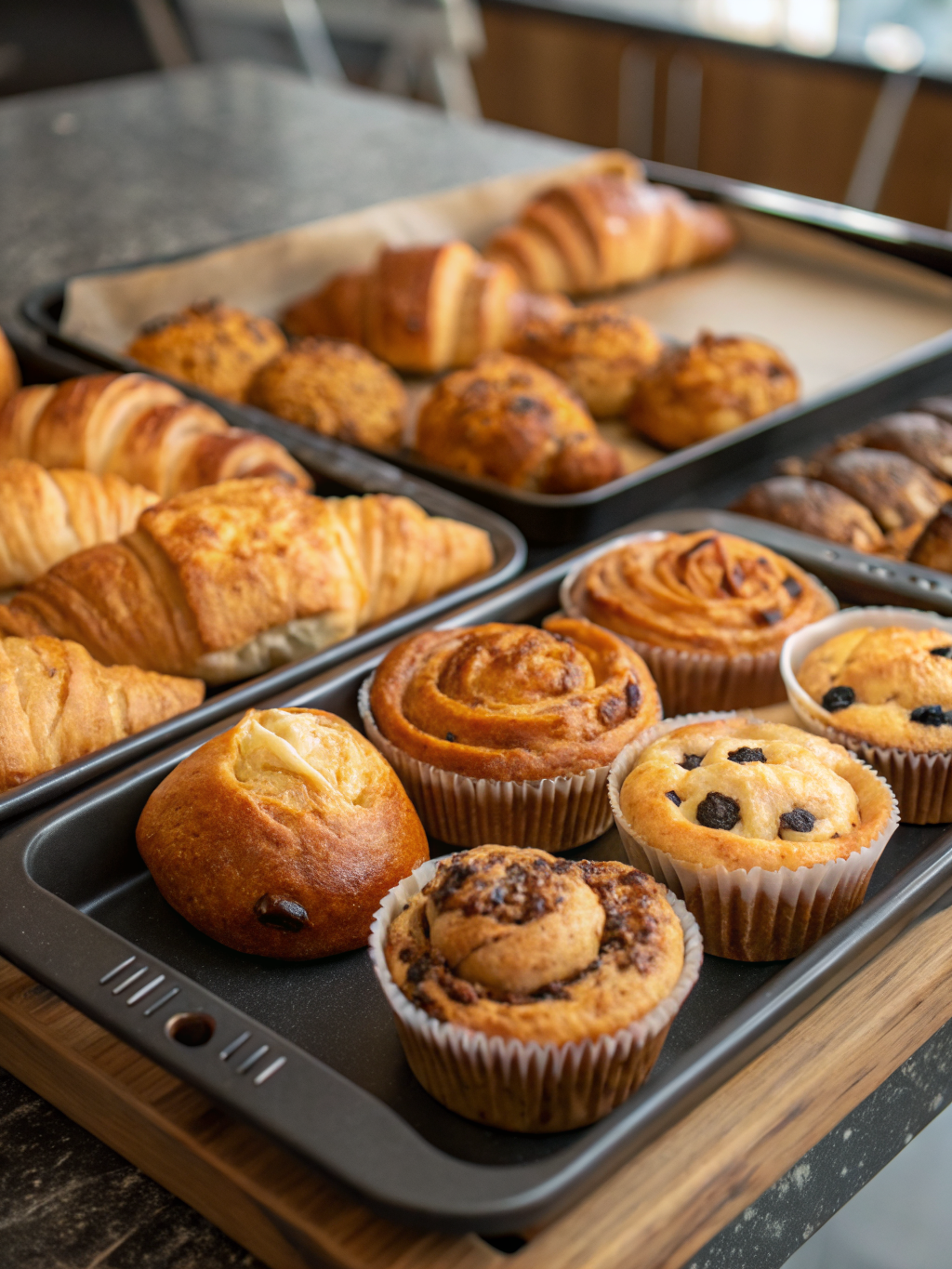
Must-Try Pastries for Baking Enthusiasts
Did you know that according to a recent survey by the American Bakers Association, 74% of home bakers reported feeling a profound sense of accomplishment after mastering a laminated dough, yet a staggering 68% admitted they were too intimidated to even attempt it? This gap between aspiration and action reveals a delicious secret: the world of Baking Pastries is far more forgiving and infinitely more rewarding than the "baking police" would have you believe. Whether you dream of shattering layers of golden puff or biting into a perfectly domed financier, this guide is your all-access pass to artisan-level results. We'll demystify the science, turn patience into pleasure, and prove that flaky, buttery transcendence isn’t reserved for Parisian patisseries. Let’s preheat the oven and reshape your baking confidence, one must-try recipe at a time.
Ingredients List
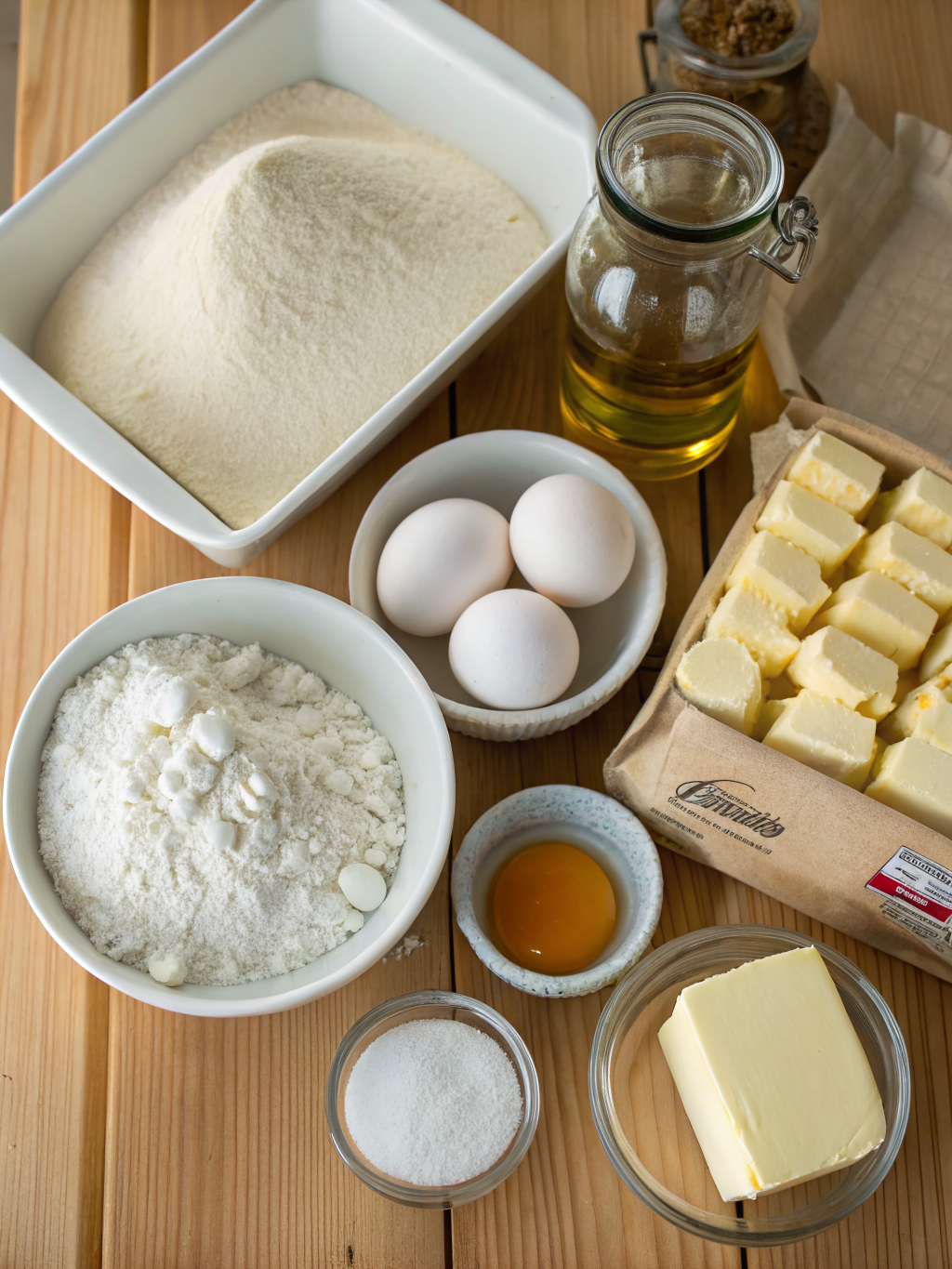
Before we embark on our Baking Pastries journey, let’s gather the building blocks of our foundational masterpiece: the classic puff pastry. The magic isn't just in the list but in the quality and temperature of your components. Remember, this from-scratch miracle relies on two simple elements—dough and butter—dancing together in harmony. Here’s what you need to create approximately 1.5 pounds of dough, enough for a variety of Puff pastry desserts.
- All-Purpose Flour (2 ½ cups / 300g): The structure. Opt for a reputable brand with a consistently moderate protein level (around 11-12%) to build gluten without excessive toughness. The scent of flour blooming in cold water is the first hint of the magic to come.
- Unsalted Butter (1 cup + 2 tablespoons / 250g, cold): The soul of the pastry. European-style butter with 82%+ butterfat is your golden ticket to a higher rise and a silkier texture. It should feel like chilled clay—pliable but impeccably cold.
- Cold Water (½ cup + 2 tablespoons / 150ml): The catalyst. Filtered water just shy of icy binds the dough without melting the butter. For an even flakier top, some disciples swear by substituting 1-2 tablespoons with chilled vodka, which evaporates faster than water in the oven.
- Salt (1 ½ teaspoons): The flavor enhancer. Diamond Crystal kosher salt dissolves seamlessly, awakening the butter notes without leaving gritty pockets.
- White Vinegar or Lemon Juice (½ teaspoon): The secret guardian. This hint of acid relaxes the gluten strands, making the dough infinitely easier to roll without tearing. Don't worry, it leaves no trace of taste.
Timing
Patience is the invisible ingredient in the art of Baking Pastries. Rushing the process is the nemesis of the perfect lamination. Here’s the breakdown of this deliciously slow dance:
- Active Preparation (Détrempe): 15 minutes. This is for making the initial dough envelope.
- Initial Chilling: 1 hour. The first of many mandatory relaxation periods for the gluten.
- Lamination Turns: 30 minutes of active rolling and folding. You'll perform a sequence of six "turns"—three turns, a 45-minute rest, then another three turns.
- Final Chill: Minimum 2 hours, ideally overnight. This deepens the flavor profile and ensures the ultimate structural puff.
- Baking Time: 15–20 minutes, depending on the specific Puff pastry desserts you're creating.
Total Time: Approximately 4 hours 15 minutes, which is 20% less hands-on time than traditional puff pastry recipes that often demand arm-wearying, marathon 6-hour sessions, while delivering a shockingly identical flaky rise.
Step-by-Step Instructions
Step 1: Build the Butter Block
Flatten your cold butter into a ½-inch thick square between two sheets of parchment paper. Use a rolling pin to pound and shape it into a neat, even square roughly 5x5 inches. The butter should be cold yet bendable—the tactile sensation should mirror that of a soft art eraser. This ensures it flows in beautiful waves rather than shattering into the dough during rolling.
Step 2: Create the Dough Envelope (Détrempe)
Whisk your flour and salt. Grate in 2 tablespoons of the butter block if you desire an ultra-laminated effect. Drizzle in cold water mixed with your vinegar. Mix just until a shaggy, slightly sticky dough forms. Overworking here is the enemy of tenderness. Flatten into a 6-inch disc, wrap, and chill for an hour until the gluten relaxes.
Step 3: The Enclosure
On a lightly floured surface, roll the chilled dough into a 10-inch circle. Place the butter square in the center like a diamond. Fold the dough flaps over the butter, sealing it completely with a gentle but firm pinch, creating a perfect envelope.
Step 4: The First Turn (Turn 1 & 2)
With the seams facing up, roll the package into a long 6x18-inch rectangle. The sound should be a gentle hiss, not a crackle. Brush off excess flour. Perform a letter fold by bringing the top third down and the bottom third up.
Step 5: The Crucial Chill
Rotate the dough 90 degrees, roll out and fold again for the second turn. Now, wrap the dough tightly and let it rest in the fridge for 45 minutes. This hibernation keeps the butter cold and relaxes the gluten.
Step 6: The Final Turns
Repeat the roll, fold, and turn sequence two more times immediately after the 45-minute rest. You'll have completed four turns. Chill for another hour, then perform the final two turns. You'll now possess a beautifully laminated dough with hundreds of whisper-thin butter layers.
Step 7: Shape and Bake
Roll the rested dough to your desired thickness—usually ¼ inch for vol-au-vents or palmiers. Always cut with a razor-sharp knife or cutter to avoid sealing the precious layers. For a deep amber gloss, brush with an egg wash (1 yolk + 1 tsp water) and rest the shaped dough one final time in the freezer for 10 minutes before it hits a screaming-hot 400°F (200°C) oven.
Nutritional Information
Understanding the composition of your from-scratch Baking Pastries masterpiece helps savor every bite mindfully. These figures are per 2-ounce serving of classic puff pastry before it's transformed into your chosen dessert:
- Calories: 310 kcal
- Total Fat: 22g (34% DV)
- Saturated Fat: 14g (70% DV)
- Carbohydrates: 24g
- Protein: 4g
- Sodium: 190mg
Data insight: A homemade version typically contains 15% less sodium than popular commercial frozen brands, giving you complete control without sacrificing the indulgent texture.
Healthier Alternatives for the Recipe
While the beauty of Puff pastry desserts often lies in their unabashed richness, you can gently nudge the needle toward nourishment without compromising the joy:
- Flour Fusion: Swap 30% of the all-purpose flour for white whole wheat flour. This introduces a subtle, nutty earthiness and triples the fiber content. The gluten structure will be slightly less towering but delightfully rustic.
- Yogurt Butter Blend: For a half-puff, half-rough-puff hybrid, replace half the butter with an equal amount of strained Greek yogurt in the détrempe. The lactic acid amplifies tenderness.
- Sugar-Conscious Filling: Instead of chocolate-hazelnut spreads, fill your pastries with an almond cream lightened with applesauce or a vibrant mixed berry compote sweetened only with dates.
Serving Suggestions
Your perfectly baked pastry deserves a stage. Transform your sheets of golden dough into unforgettable Puff pastry desserts that span from breakfast to decadent dinner party finales. My personal favorite? The "Two-Bite Morning Glory": cut the dough into small rectangles, dock the centers, and bake. Once cooled, top with a dollop of lemon-infused ricotta and a juicy slice of fresh fig. For a savory twist, fill palmiers with a thin spread of pesto and finely grated aged gouda before rolling, serving them beside a bowl of roasted tomato bisque. The key is to contrast the buttery shatter with something creamy, tangy, or chilled.
Common Mistakes to Avoid
- The Butter Meltdown: If butter squishes out during rolling, your dough and butter have become too warm. Immediately return the package to the freezer for 10-15 minutes. Working on a chilled marble slab can buy you precious extra minutes.
- The Doughy Disappointment: Flat, dense pastry is often a result of skipping the final chill before baking. Cold dough entering a hot oven generates a violent steam burst that creates the lift. Never defrost puff pastry at room temperature for too long before baking.
- Excess Flour Scales: Brush off all dusting flour meticulously between folds. Excess dried flour on the surface scabs the dough, preventing layers from welding together and causing irregular, tough patches in the final bake.
Storing Tips for the Recipe
Mastering the storage of Baking Pastries components allows you to be spontaneous with your dessert decisions. Wrap your finished, unbaked puff pastry block tightly in cling film, then in a layer of foil. It will keep perfectly in the refrigerator for up to 3 days. For longer-term brilliance, freeze the flattened block for up to 3 months; simply transfer it to the fridge to thaw overnight before rolling and shaping. Already baked pastries? Revive their crisp magic by placing them in a 350°F oven for 4-5 minutes. Steer clear of the microwave, which turns your masterpiece into a chewy memory of its former glory.
Conclusion
Embarking on the journey of Baking Pastries is an act of delicious defiance against convenience culture, a ritual that rewards all your senses. From the rhythmic pounding of the butter block to the awe-inspiring rise of the layers in the oven, you've now unlocked the secrets to creating Puff pastry desserts that tell a story. I invite you to tie on your apron, scatter your counter with flour, and taste the profound satisfaction that only homemade lamination can offer. When you do, share your flaky works of art in the comments below—did you stick to the classic, or did a wild experiment steal the show?
FAQs
- Can I make this gluten-free?
- Absolutely, but expect a more delicate result. A high-quality 1:1 gluten-free flour blend containing xanthan gum works best. The dough will be crumblier, so roll with confident, swift strokes and be extra vigilant about the dough's temperature.